Food trends come and go. You see them everywhere – on social media, in new openings, on menus that change every few months. One year it’s all about small plates. The next it’s something else entirely.
And yet, somehow, the dishes people return to are rarely the newest ones.
They’re the classics.
Trends Move Fast. Taste Doesn’t.
Trends are built on attention. They need to be new, different, talked about. That usually means bold flavours, unusual combinations, or something that looks good in a photo.
There’s nothing wrong with that. It keeps things interesting. But it also means those dishes are often designed to impress quickly.

Classic cooking works differently.
It’s slower. More considered. Less about surprise, more about balance. The goal isn’t to catch your attention for a moment – it’s to hold it for the whole meal.
And that’s harder to do.
The Dishes People Come Back For
Think about the meals you actually remember. Not the ones that looked good online, but the ones you’d happily eat again.
More often than not, they’re built on something familiar.
A well-cooked piece of beef, rested properly and served with a sauce that’s been reduced over time.
A dish like venison in winter, paired with ingredients that make sense for the season.
A bowl of something warm and comforting that doesn’t try too hard, but gets everything right.

These aren’t new ideas. They’ve been around for years, sometimes generations.
That’s the point.
Why Simplicity Is Harder Than It Looks
There’s a common assumption that simple food is easy. In reality, it’s the opposite.
When a dish is built on just a few elements, there’s nowhere to hide. The quality of the ingredients matters more. The cooking has to be precise. Timing becomes everything.
A Scotch beef fillet, for example, doesn’t need much on the plate. But it does need to be cooked exactly right. The sauce has to support it, not overpower it. The balance has to feel natural.
That level of control takes time. It takes consistency. And it takes a kitchen that knows what it’s doing.
Why Classics Feel Right
There’s also something else at play.
Classic dishes feel familiar, even when you’re trying them for the first time. The combinations make sense. The flavours sit well together. Nothing feels forced.
It’s the difference between something that’s been built to last and something that’s been built to stand out.

At The Buttery, that shows up across the menu.
A venison dish that leans into the season rather than fighting it.
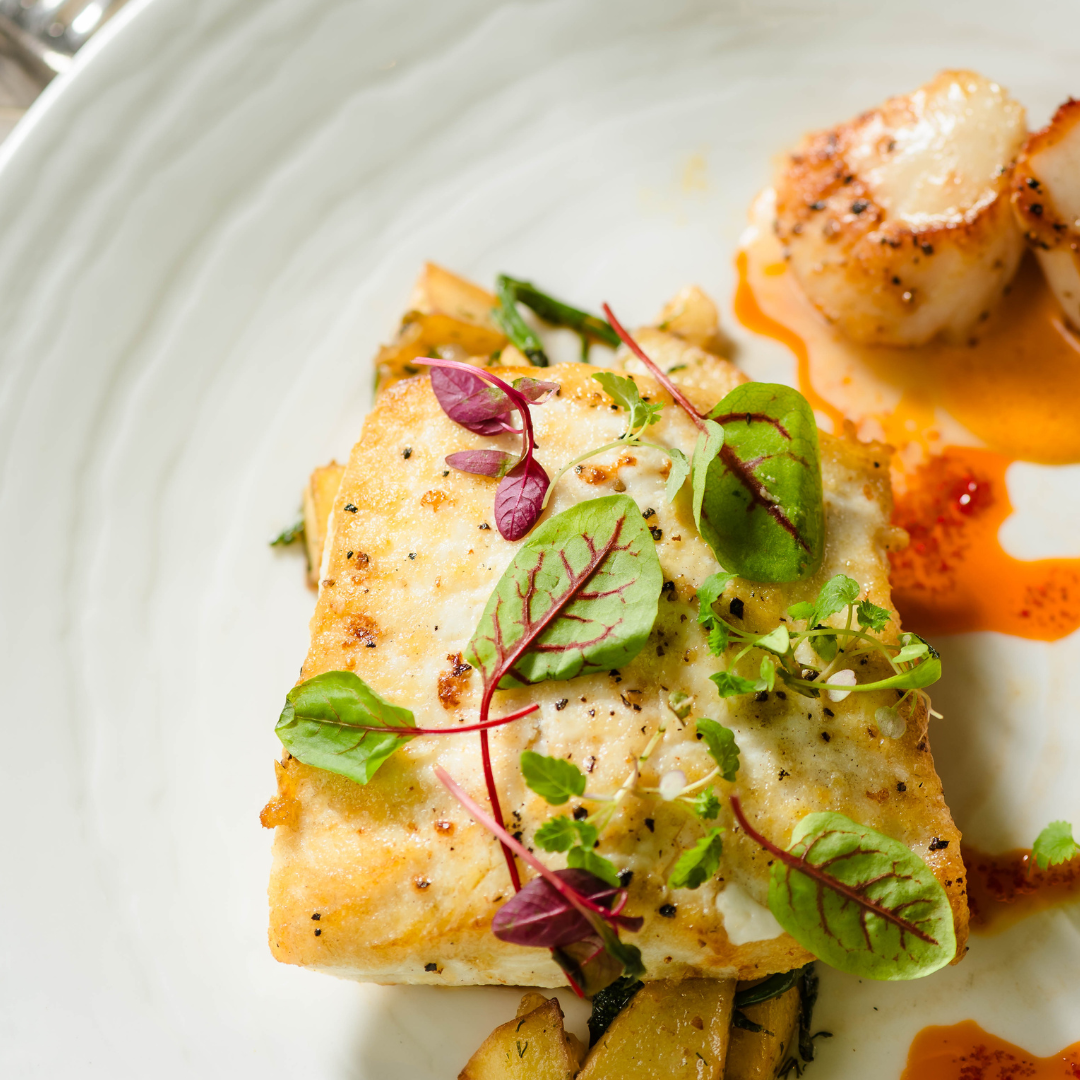
A chicken dish that’s been given the time it needs.
A dessert that doesn’t try to reinvent itself, but instead focuses on getting the details right.
These are the kinds of dishes people order again. And again.
Trends Fade. Habits Stay.
Most food trends follow the same pattern. They appear quickly, gain attention, and then disappear just as fast. A few leave something behind, but most don’t.
Classic cooking doesn’t rely on that cycle. It isn’t trying to keep up.
Instead, it builds trust. You know what you’re getting. You know it will be done properly. And over time, that consistency matters more than novelty.
It’s why certain restaurants don’t need to chase attention. People already know what they’ll find there.
The Buttery Approach
At The Buttery, the focus has always been on doing things properly rather than differently.
That means working with ingredients that suit the season.
Cooking them with care.
And building dishes that feel complete without needing to be complicated.
It’s not about ignoring new ideas. It’s about knowing which ones are worth keeping – and which ones aren’t.
Because in the end, the goal isn’t to serve something people haven’t seen before.
It’s to serve something they’ll want again.
Why It Still Matters
In a world where everything moves quickly, there’s something reassuring about a meal that doesn’t.
Classic cooking gives you that. It asks you to slow down, even slightly, and pay attention to what’s in front of you.
No distractions. No need to figure it out. Just good food, done well.
And that’s why it lasts.