Few ingredients have earned the reputation that Scotch Beef has. Whether it’s served in a traditional steakhouse, a fine dining restaurant, or a family kitchen, it has become synonymous with quality, flavour, and consistency.
That reputation hasn’t happened by chance.
Behind every cut of Scotch Beef is a combination of careful farming, strict standards, natural diets, and generations of experience. It’s a product that reflects Scotland’s landscape just as much as the people who produce it.
At The Buttery, we’re fortunate to work with ingredients of this calibre, and it’s one of the reasons Scotch Beef continues to feature so prominently on our menus.
What Makes Scotch Beef Different?
Not every piece of beef produced in Scotland can be called Scotch Beef.
The name is protected under Protected Geographical Indication (PGI) status, meaning farmers and producers must meet strict standards before the label can be used.
Animals must be born, reared and processed in Scotland, with complete traceability throughout the process. Every stage is monitored to ensure consistency, welfare, and quality remain exceptionally high.
That level of oversight gives diners confidence before a steak even reaches the kitchen.
Scotland’s Natural Environment Plays a Huge Part
The quality begins long before cooking.
Scotland’s farmland is particularly well suited to cattle farming. Regular rainfall and nutrient-rich grass provide ideal grazing conditions throughout much of the country.
Many cattle spend much of their lives grazing naturally, producing beef that develops slowly rather than being rushed.
That slower growth matters.
Muscle develops gradually, fat is distributed more evenly, and the finished product develops the depth of flavour that chefs value so highly.
It’s difficult to recreate that through intensive farming alone.
Farming Knowledge Passed Through Generations
Scotland’s farming heritage stretches back centuries.
Many farms remain family-run businesses where knowledge has been passed from one generation to the next. Techniques evolve with modern standards and technology, but the principles remain remarkably consistent.
Animal welfare comes first.
Healthy cattle produce better beef. Farmers understand that reducing stress, maintaining good nutrition and allowing animals to mature naturally all contribute to the final product.
It’s a philosophy built around quality rather than speed.
Why Chefs Value Scotch Beef
Ask almost any chef what they’re looking for in a great piece of beef and the answers are remarkably similar.
Consistency.
Marbling.
Texture.
Depth of flavour.
Scotch Beef delivers on all four.
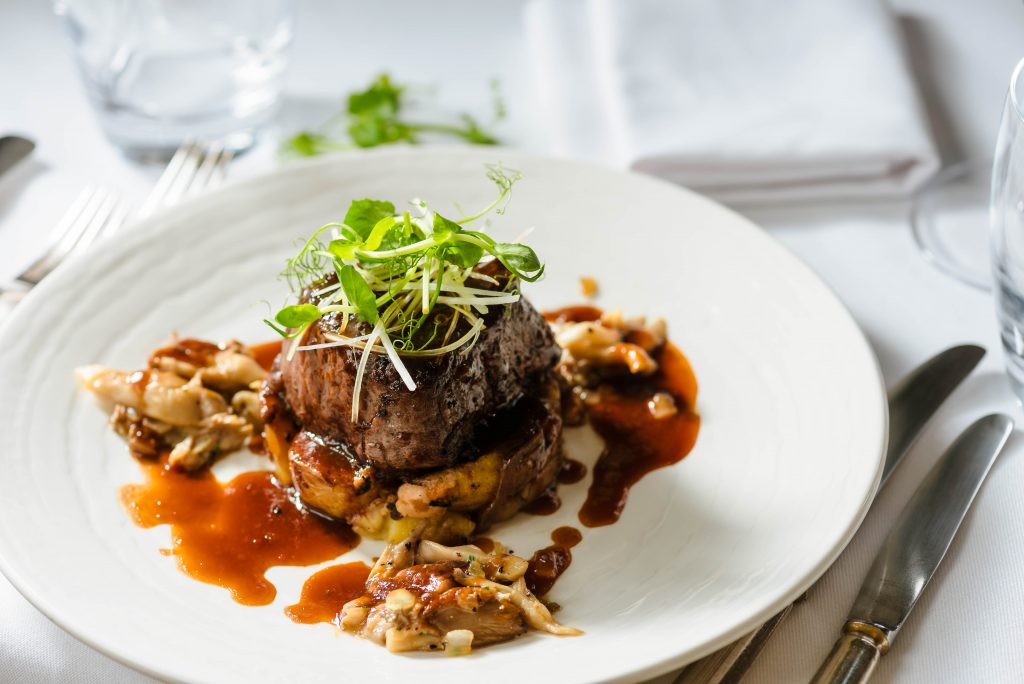
Good marbling allows fat to melt gently during cooking, naturally basting the meat from within. That creates tenderness while carrying flavour throughout every bite.
The texture remains firm without becoming tough, while the natural richness develops without needing excessive seasoning or complicated preparation.
In many ways, excellent beef asks very little of the chef.
The job is simply not to get in its way.
Ageing Makes a Difference
One of the most important stages happens after the animal has been processed.
Beef is usually aged before reaching the kitchen, allowing natural enzymes within the meat to slowly break down muscle fibres.
This improves tenderness while concentrating flavour.
Whether dry aged or wet aged, time becomes another ingredient.
It’s one of the reasons a properly aged steak delivers such depth compared to freshly butchered meat.
Good beef rewards patience at every stage.
Cooking Is About Restraint
High-quality beef doesn’t need to be hidden beneath heavy sauces or complicated garnishes.
In fact, the opposite is often true.
The better the ingredient, the more restrained the cooking becomes.
Precise temperature.
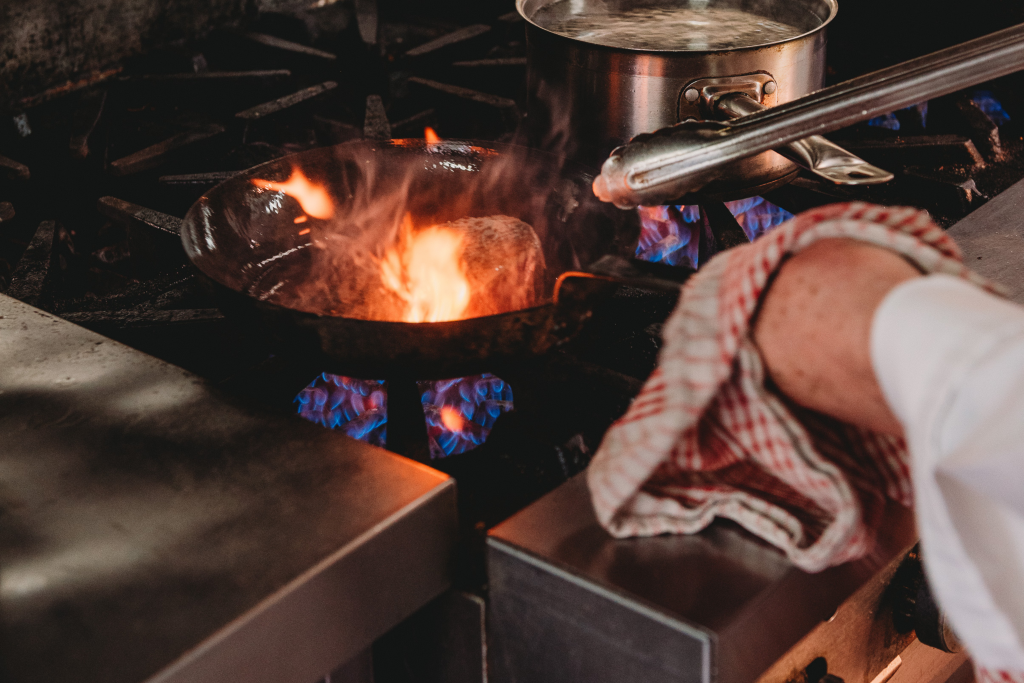
Careful resting.
Well-balanced accompaniments.
Every decision is made to support the beef rather than compete with it.
Even something as simple as allowing a steak to rest after cooking has a noticeable impact. Resting gives the juices time to redistribute throughout the meat, creating a more even texture and better flavour in every slice.
Small details make a remarkable difference.
Why Scotch Beef Continues to Earn Its Reputation
Food trends change constantly.
Ingredients rise in popularity before quietly disappearing again.
Scotch Beef has never really followed that cycle.
Its reputation has been built over decades through consistency rather than fashion.
Chefs continue to seek it out because they know what they’re getting.
Diners continue to order it because they know what to expect.
That level of trust is difficult to earn, but once established, it lasts.
Scotch Beef at The Buttery
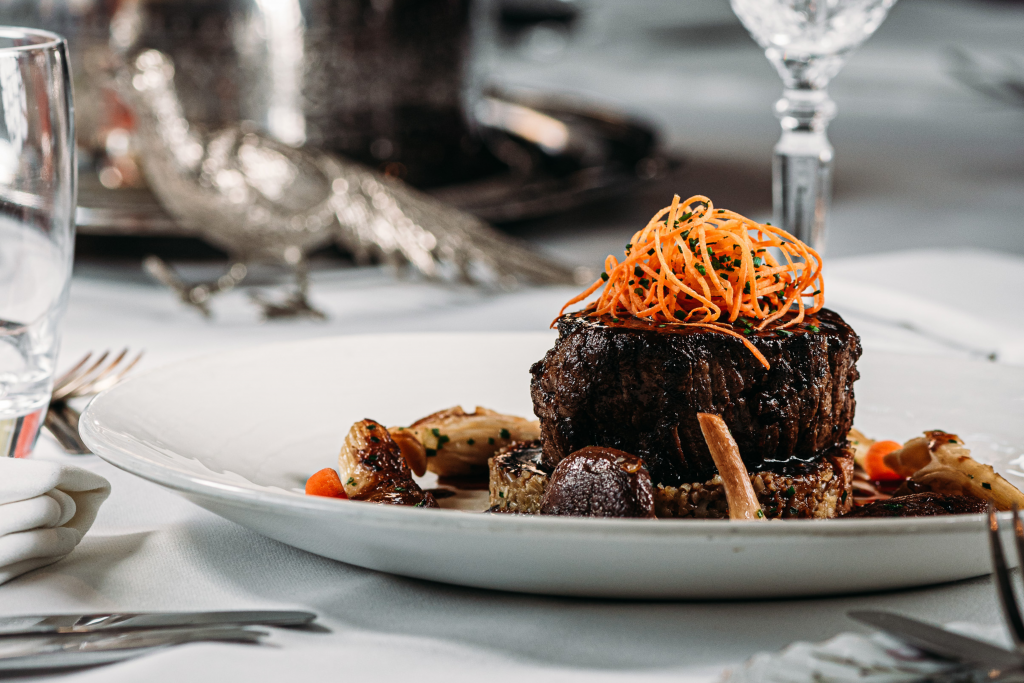
At The Buttery, every ingredient is chosen with care, and Scotch Beef remains one of the cornerstones of our kitchen.
Rather than masking its natural qualities, our approach is to let the beef speak for itself.
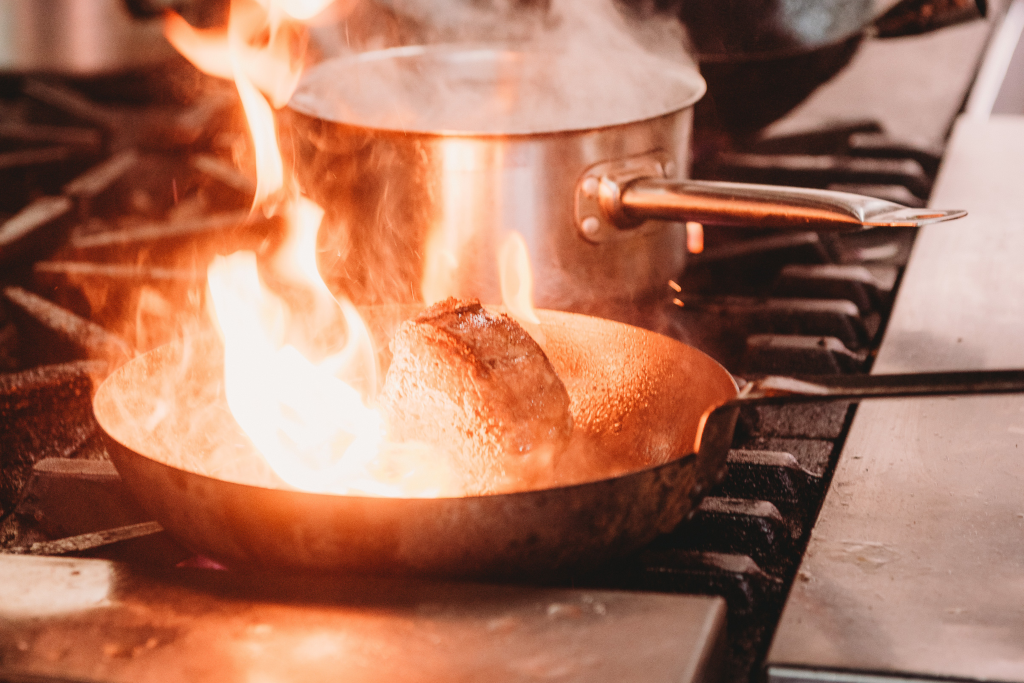
Cooking is precise.
Accompaniments are chosen to complement rather than overpower.
Every element on the plate has a purpose.
It’s an approach that reflects everything Scotch Beef represents: quality, balance, and attention to detail.
More Than Just a Great Steak
Scotch Beef represents much more than a single ingredient.
It reflects Scotland’s farming heritage, its landscape, and the skill of the people who dedicate their lives to producing food of exceptional quality.
Every cut tells part of that story.
From the careful management of farmland and livestock to the patience required during ageing and the precision needed in the kitchen, each stage contributes to the finished dish.
It’s why Scotch Beef has earned worldwide recognition.
And it’s why, despite changing food trends and evolving tastes, it continues to be regarded as one of the finest beef products available anywhere in the world.